
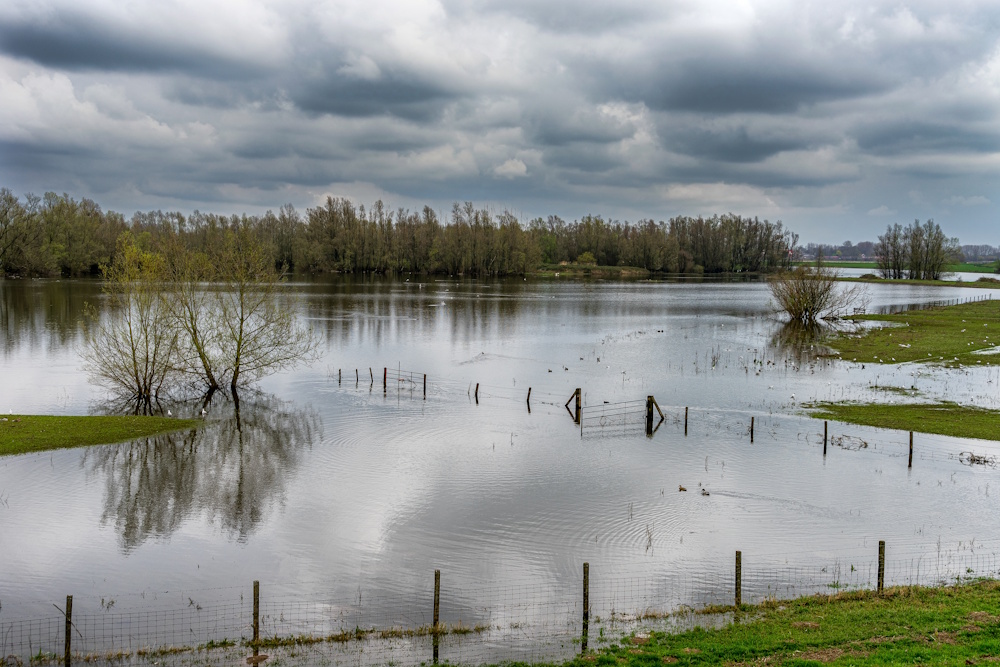
Flood warnings are back what facilities managers should do and when they should do it?
Flood warnings are back again, and if you work in facilities management you probably felt that familiar sinking feeling straight away, is the site ready? is the stock protected? is this about to turn into a very long week?
You are not overreacting, flooding is one of the biggest risks to commercial buildings and it rarely gives much notice when it hits, the good news is that the right preparation and a clear response plan can dramatically reduce damage, downtime, and cost.
Let’s walk through this, what flooding actually does to a commercial site? what facilities managers should be doing before the water arrives? and how to handle it properly if flooding has already happened…
Why does flooding causes chaos for commercial buildings?
Flooding is never just water on the floor because once it gets in, the problems start stacking up quickly and a lot of the damage happens quietly.
Floor and structural damage
Floors usually take the first hit, wooden floors swell… vinyl lifts… and carpets trap moisture underneath….
If this is left to dry naturally then mould and mildew can develop. which then becomes a health issue for anyone who uses the building.
Extremely deep saturation causes long term problems for the building, for example: Wooden planks can’t be reset once warped, and moisture sitting in the subfloor will slowly weaken the structure of the building, this is where professional drying and surveys is the only way forward.
Walls are just as vulnerable, damp walls create the perfect conditions for mould, paint bubbles, wallpaper traps moisture, and over time the wall structure itself can start to break down, leaks inside walls often go unnoticed until the damage is expensive and disruptive.
This is the kind of quiet damage that shows up weeks later, when prevention would have been simple and repairs are now anything but.
Equipment furniture and stock loss
Water and electrics do not mix! Electrical equipment, IT systems, machinery and lighting can fail within a few short minutes.
Any stock stored at ground level will be especially vulnerable and if you don’t take fast action, then this stock is often written off completely… Furniture can sometimes be professionally dried if caught early but once moisture sits too long then replacement is usually unavoidable.
For warehouses and commercial storage facilities, flooding can mean huge financial losses unless preventative measures are already in place.
Data loss and business interruption
Once floods creep in, paper files get soaked… Servers go down… and backups that should have been safe will just disappear with the flood water.
Then comes the biggest impact of all, business interruption. Sites will end up closing, clients will become unhappy and leave.
This is why flood risk management matters so much in facilities management, we will prevent these things from happening.
What should facilities managers should do before flooding hits?
Here is the honest truth, preparation is always cheaper than repairs and if there are flood alerts in your area now, then now is the time to act.
Check flood warnings and assess site risk
Start with official flood alerts and local data even if the risk feels low, a professional site inspection can confirm whether your building, systems, or stock are vulnerable before anything happens.
If a site is at risk then early action allows stock to be moved, equipment to be protected, and systems to be safely shut down before flood water becomes a problem.
Review insurance and business interruption cover
Check that your policy includes business interruption cover, if your site becomes unusable this is what protects cash flow and keeps disruption manageable, if you don’t have this cover, then invest before floods take over your business.
Update or create a flood response plan
Every commercial building should have a clear flood plan that covers key emergency contacts, clear responsibilities, how to secure the building, and how to communicate with staff, tenants, and clients.
The Environment Agency and Lead Local Flood Authorities are legally required to produce and review Flood Risk Management Plans, known as FRMPs, every six years under the Flood Risk Regulations 2009, for facilities managers this is practical insight rather than paperwork, it feeds straight into site flood plans, stronger insurance conversations, and realistic business planning, using the local flood risk plan helps businesses move earlier, protect what matters, and get back up and running faster when flood warnings are issued.
If that plan has never been tested, flood season is definitely not the time to improvise.
Protect stock documents and systems
Make sure you move critical items above flood level or to higher floors, elevate stock on shelving, and use waterproof containers for documents and backups.
Having flood protection measures in place such as door barriers, air brick covers, and non return valves on drainage systems can significantly reduce incoming water.
If your site is in a high risk area then reducing on site stock is one of the simplest ways to reduce losses.
Check before hand before turning off gas, electricity, and water at the mains, never attempt it if you’re standing in water already.
Always make sure to document the site before flooding, photos and videos make insurance claims far easier later.
What to do during a flood?
Safety ALWAYS comes first, avoid entering floodwater where possible and stay clear of any electrics, drains, and submerged hazards.
Follow your flood plan and any guidance from emergency services, temporary flood defences can be deployed if it is safe but no task is worth putting people at risk, play it safe.
What to do after flooding?
After flooding, the focus needs to shift quickly and calmly to safe recovery.
Damaged electrical equipment should never be used until it has been professionally checked. Standing water and hidden moisture should be removed as early as possible to prevent mould and long term structural damage.
Walls, floors, and concealed spaces need to be thoroughly inspected for trapped damp, and affected areas must be carefully cleaned and disinfected.
This is also the moment to clearly document damage with photos and notes for insurance purposes, confidently bring in professional drying teams where needed, and honestly review what worked and what did not in your flood plan so the site is better protected next time.
Legionella risk after flooding
Flooding disrupts water systems and creates stagnant conditions where legionella bacteria can thrive, during recovery contaminated systems can release bacteria into the air through taps, showers, cooling towers, and water features.
Removing legionella after a flood requires a professional multi step approach including risk assessment, system inspection and repair, cleaning and flushing, thermal or chemical disinfection, and post remediation testing.
Long term prevention relies on correct temperature control, regular flushing of outlets, and ongoing system maintenance.
When should I call in professional drying and repair teams?
You should call in professional drying and repair teams as soon as there are signs that water has gone beyond surface level and normal cleaning will not be enough.
If damp patches keep coming back after drying, if there is a persistent musty smell, if floors start to warp, lift, or soften underfoot, or if paint bubbles and walls feel damp to the touch, moisture is likely trapped within the structure.
Leaks appearing from walls or floors, visible water staining, or any flooding involving electrics or sewage are also clear signals to act quickly.
Bringing in specialists early helps control mould growth, protect the structure of the building, and significantly reduce long term repair costs.
How does Almeda supports facilities before during and after floods?
Flooding does not wait for a convenient moment, which is why reactive facilities management support is critical.
Almeda provides reactive maintenance for flood related emergencies, twenty four seven help desk support, engineers available when you need them, site inspections and risk assessments, professional drying and remediation, and support restoring buildings to a safe operational condition.
Whether you are preparing ahead of flood warnings, responding in real time, or managing recovery, our team supports facilities at every stage.
When is it the right time to prepare for flooding?
Honestly, before the rain arrives, flood warnings are your signal to act, waiting until water reaches the door is what leads to downtime, stress, and unnecessary cost.
This guide is here to help facilities managers stay ahead, protect commercial buildings, and know exactly what to do at every stage of a flood event.
If you want to be ready rather than reactive, or if you need help right now, Almeda is only a call away, keeping your facilities safe, dry, and running smoothly.
At Almeda, we provide reliable and efficient facilities management solutions tailored to your needs. From maintaining your property to optimising operations and ensuring a safe and productive environment, our team is here to support you.