
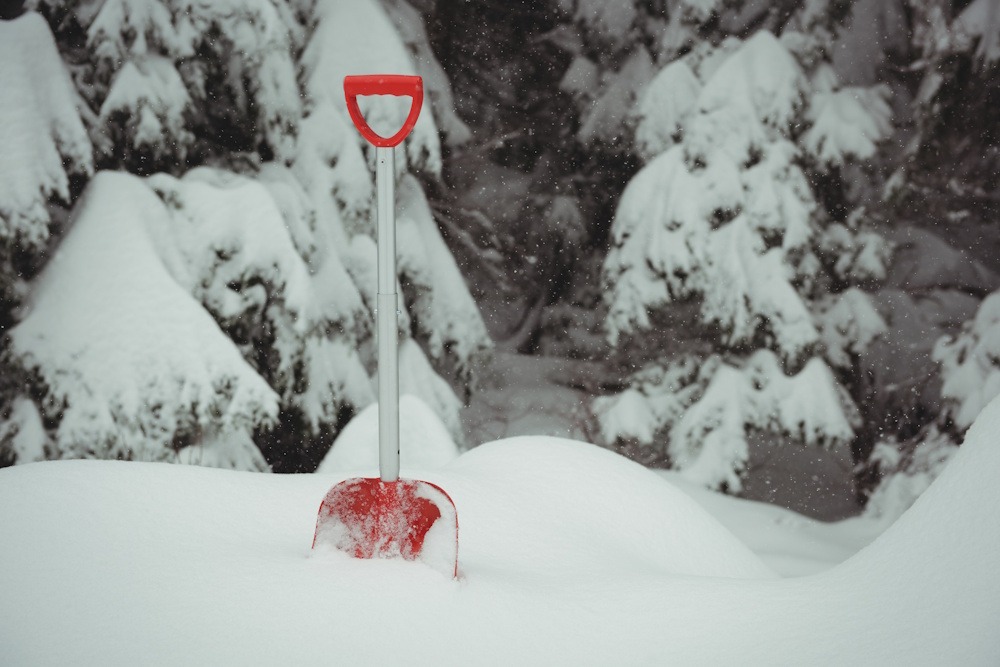
Winter Checks Every Facilities Manager Should Prioritise This Season
Winter is coming fast, and it’s one of the busiest times for facilities managers. Cold weather, darker days and extra wear on equipment can create problems long before they become obvious. A solid winter readiness plan helps your building stay comfortable, energy efficient and safe for everyone using it – find out more about our facilities management services here.
Here are the essential checks to focus on as temperatures drop:
1. Heating Systems and HVAC Performance

One of the first priorities in winter readiness is ensuring that heating systems and HVAC units are operating efficiently. Boilers, furnaces, and heat pumps should be serviced before the cold sets in to prevent breakdowns during peak demand. Air filters, ductwork, and vents need inspection to remove blockages that can reduce airflow and efficiency. Thermostats and control systems should be tested to ensure they provide consistent temperatures across workspaces. Proper maintenance not only keeps staff comfortable but also reduces energy costs and prevents the operational disruption that can occur if heating fails in critical areas.
What to look at:
- Boiler servicing and efficiency checks.
- Radiators, pipework and valves.
- Thermostat accuracy.
- Filter changes and airflow.
A small issue in your heating setup can quickly grow into a costly repair. Regular checks help you avoid breakdowns and maintain consistent comfort.
2. Insulation and Draught Control

Insulation and draught prevention are essential to maintaining a stable indoor environment and protecting your energy budget. Roofs, walls, floors, and pipework should be checked for areas where heat could escape, and any damage or gaps repaired promptly. Draughts around windows, doors, or service ducts should be sealed with appropriate materials, such as brush strips or secondary glazing. Controlling unwanted airflow reduces strain on heating systems, keeps spaces consistently comfortable, and prevents condensation or cold spots that can damage interiors over time.
What to check:
- Roof and wall insulation.
- Draughts around doors and windows.
- Condition of weatherstripping.
Keeping warm air in and cold air out helps your heating system work less while keeping occupants comfortable.
3. Plumbing and Pipe Protection

Frozen pipes are one of the most common winter risks in commercial buildings. Exposed pipes should be insulated, and plumbing systems inspected for leaks, corrosion, or faulty valves. Monitoring water pressure and ensuring proper drainage prevents blockages and water damage. Facilities managers should have contingency plans for burst pipes or sudden water system failures, as even minor incidents can lead to costly repairs and operational disruption.
What to check:
- Insulation on exposed pipework.
- Leak detection systems.
- Condition of tanks and cylinders.
- Water flow in colder areas.
Good insulation and early detection can prevent burst pipes and serious water damage.
4. Roof and Gutter Maintenance

The roof is often the first line of defense against winter weather. Missing tiles, damaged flashing, or leaks can quickly lead to interior damage when snow or heavy rainfall arrives. Gutters, downpipes, and drains must be cleared of debris to prevent ice build-up, which can cause blockages and structural strain. Proactive roof and gutter maintenance ensures that precipitation flows away from the building safely and reduces the likelihood of emergency repairs.
What to check:
- Clear gutters and downpipes.
- Roof membranes and flashing.
- Loose tiles or joints.
- Blockages around drains.
Clear drainage routes help prevent leaks and keep moisture away from the building structure, and regular professional cleaning can ensure gutters, drains, and exterior surfaces stay free of debris. Learn more about our commercial cleaning services here.
5. Electrical Systems and Emergency Equipment
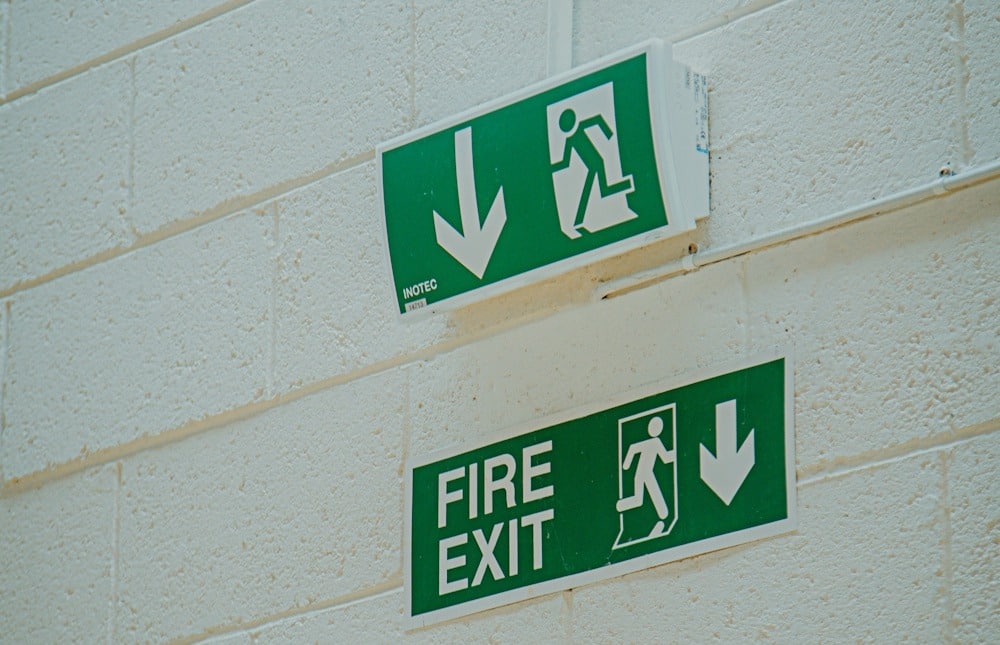
Winter also tests the reliability of electrical systems. Emergency lighting, exit signage, and backup generators should be tested regularly to confirm they are fully operational. Electrical panels, sockets, and wiring should be inspected for wear or overloading, as winter heating loads can push systems to their limits. Fire alarms, smoke detectors, and surge protection systems must all be functioning correctly, safeguarding both staff and property.
What to check:
- Emergency lighting.
- Backup generators.
- Electrical panels.
- Battery levels on key equipment.
Reliable electrical systems help your facility stay safe during storms or outages.
6. Exterior Grounds and Winter Safety

Snow, ice, and wet leaves create hazards on exterior surfaces. Pathways, parking areas, and loading bays should be kept clear of debris, and any slip risks addressed. Handrails, steps, and ramps require inspection to ensure they remain safe in wet or icy conditions. Outdoor lighting should be checked to maintain visibility during shorter days, and grit or salt stocks should be managed to handle ice and snow efficiently.
What to check:
- Gritting plans and salt supplies.
- Snow clearance routes.
- Lighting in car parks and walkways.
- Drainage around entrances and loading areas.
Good safety measures protect staff and visitors and reduce the chances of slips and falls.
7. Fire Safety and Ventilation

Winter safety measures must also account for fire and ventilation systems. Heating systems and ventilation should be checked so that they do not interfere with fire safety equipment. Sprinklers, alarms, smoke detectors, and fire doors require inspection to ensure they remain functional and compliant. Maintaining clear escape routes is critical, particularly in icy or cluttered conditions, and ventilation systems should continue to provide fresh airflow while minimizing heat loss.
What to check:
- Portable heaters and heating appliances.
- Ventilation systems.
- Fire door condition.
- Smoke control systems.
Keeping equipment in good condition helps maintain compliance and safety year round.
8. Communication and Contingency Planning

Finally, effective communication and contingency planning are vital. Staff should be familiar with winter emergency procedures, including heating failures, snow closures, or water system issues. Emergency contact lists for contractors, service providers, and internal teams need to be current. Facilities managers should maintain detailed records of inspections, maintenance, and staff training, creating a reliable foundation for swift, coordinated responses when problems arise.
What to update:
- Emergency contacts.
- Reporting lines.
- Extreme weather procedures.
- Contractor access information.
Clear communication helps teams respond quickly and keep the facility running smoothly.
At Almeda, we provide reliable and efficient facilities management solutions tailored to your needs. From maintaining your property to optimising operations and ensuring a safe and productive environment, our team is here to support you.